
Ultimate Foundation Repair Tools And Materials For Effective Fixes
Equip yourself with top foundation repair products that ensure strong, reliable fixes for various structural issues.
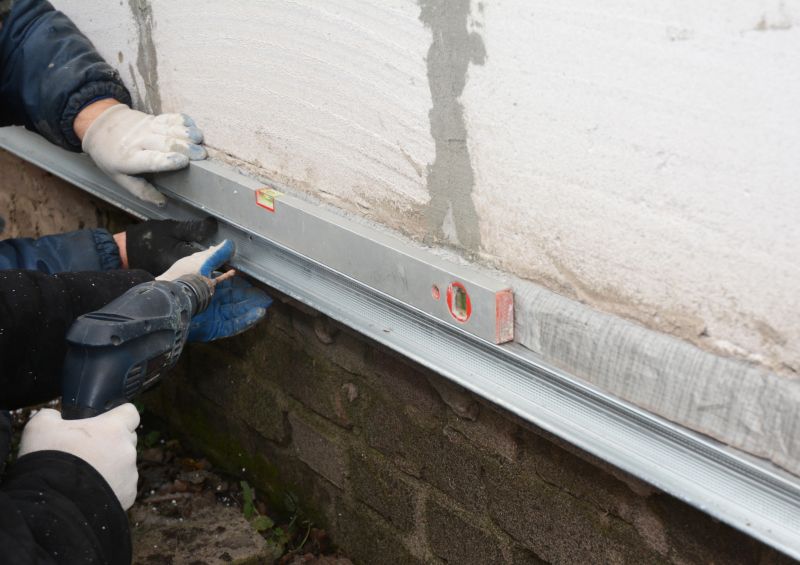 Foundation repairs are essential for maintaining the structural integrity of a building, especially in areas prone to shifting soils or moisture-related issues. Various products are designed to address different types of foundation problems, from minor cracks to significant settling or shifting. Selecting the right repair products depends on the specific issues faced, the foundation type, and the severity of the problem. Proper application and professional guidance can help ensure the longevity and stability of the structure.
Top Overall Option
Polyurethane Foundation Sealant
Polyurethane foundation sealants are versatile and effective for sealing cracks and preventing water intrusion. They are easy to apply, expand to fill gaps, and adhere well to various foundation materials, making them suitable for a range of repair needs. These sealants are often used in conjunction with other stabilization methods to enhance the durability of repairs. Their flexibility allows them to accommodate minor soil movements without cracking or losing adhesion.
Types of Products For Foundation Repairs
Concrete Piers
Concrete piers provide support by transferring the load of the structure to more stable soil or bedrock, ideal for settling foundations.
Steel Push Piers
Steel push piers are driven into the ground to lift and stabilize sinking or uneven foundations, suitable for heavy-duty applications.
Helical Piers
Helical piers are screwed into the soil and used to stabilize and lift foundations, especially in challenging soil conditions.
Underpinning Systems
Underpinning involves strengthening existing foundations with various support systems to prevent further settlement.
Epoxy Injection Kits
Epoxy injection kits are used to fill and seal cracks, restoring structural integrity and preventing water infiltration.
Polyurethane Foam
Polyurethane foam is used to lift and stabilize slabs by filling voids beneath concrete surfaces.
Foundation Braces
Braces reinforce walls and prevent further movement caused by shifting soils or pressure.
Waterproofing Membranes
Waterproof membranes protect foundations from moisture infiltration, which can cause or exacerbate settlement issues.
Soil Stabilizers
Soil stabilizers improve soil conditions around the foundation, reducing shifting and settling.
Drainage Systems
Proper drainage solutions help manage water flow away from the foundation, minimizing soil erosion and moisture problems.
Grout and Mortar Patches
Used for filling larger cracks and voids, providing additional support and sealing.
Hydraulic Lifting Systems
Hydraulic systems are employed to lift and level uneven slabs and foundations.
Vapor Barriers
Vapor barriers prevent moisture transfer through foundation walls, helping to maintain dry conditions.
Anchor Bolts
Anchor bolts secure framing to concrete foundations, enhancing stability.
Soil Nails
Soil nails reinforce unstable slopes or retaining walls near foundations.
Grouting Equipment
Specialized equipment used to inject grout into soil or cracks for stabilization.
Foundation Repair Kits
Complete kits containing various materials and tools for small to medium foundation repairs.
Popular Choices
Epoxy kits are widely used for sealing cracks in concrete and restoring structural integrity.
Polyurethane foam is a common choice for lifting and leveling concrete slabs and driveways.
Steel push piers are frequently selected for their strength and ability to stabilize sinking foundations.
Helical piles are popular for their ease of installation and suitability for challenging soil conditions.
Waterproof membranes are essential for preventing moisture-related foundation issues.
Effective drainage systems are often chosen to manage water flow and protect foundations.
Underpinning methods are commonly used to extend or reinforce existing foundations.
Crack injection kits are popular for quick, targeted repairs of foundation cracks.
Soil stabilizers are frequently used to improve soil conditions around foundations.
Grouting equipment and materials are often selected for their effectiveness in soil and crack stabilization.
Braces are commonly used to reinforce walls and prevent further movement.
Vapor barriers are a popular choice for moisture control in basement and crawl space areas.
Hydraulic lifting systems are frequently used for leveling uneven slabs and foundations.
Anchor bolts remain a standard choice for securing structures to foundations.
In Paducah, KY, where soil conditions and moisture levels can vary, understanding the appropriate foundation repair solutions is crucial. Many homeowners and property managers opt for a combination of products to stabilize and reinforce their foundations effectively. It is important to assess the extent of the damage accurately and choose products that are compatible with the existing foundation materials.
Quality repair products often feature durable materials that resist corrosion, shifting, and environmental wear. They are designed to be installed with precision, often requiring specialized equipment or expertise. Regular inspections and maintenance can help identify early signs of foundation distress, allowing for timely intervention with suitable repair products. When selecting foundation repair solutions, considering the long-term performance and compatibility with local soil conditions is vital for achieving the best results.
Key Buying Considerations
- Assess the severity and type of foundation issue to select appropriate repair products.
- Consider the soil conditions and whether the product is designed to work effectively in your area.
- Evaluate the compatibility of repair materials with existing foundation materials.
- Determine whether professional installation is recommended or if DIY solutions are feasible.
- Review the long-term durability and resistance to environmental factors like moisture and corrosion.
- Check for ease of application and whether specialized tools or skills are required.
- Identify if the product can accommodate future soil movements or shifts.
- Consider the size and scope of the repair project to choose suitable product quantities and types.
- Research product reviews and manufacturer specifications for reliability and performance.
- Be aware of local building codes and regulations related to foundation repairs.
- Evaluate the potential impact on property value and safety when choosing repair solutions.
- Look for products that include clear instructions and support resources.
- Assess the availability of replacement parts or supplementary materials if needed.
- Consider cost-effectiveness in relation to the expected lifespan and performance of the repair products.
- Determine if the product has been tested or certified for structural repair applications.